
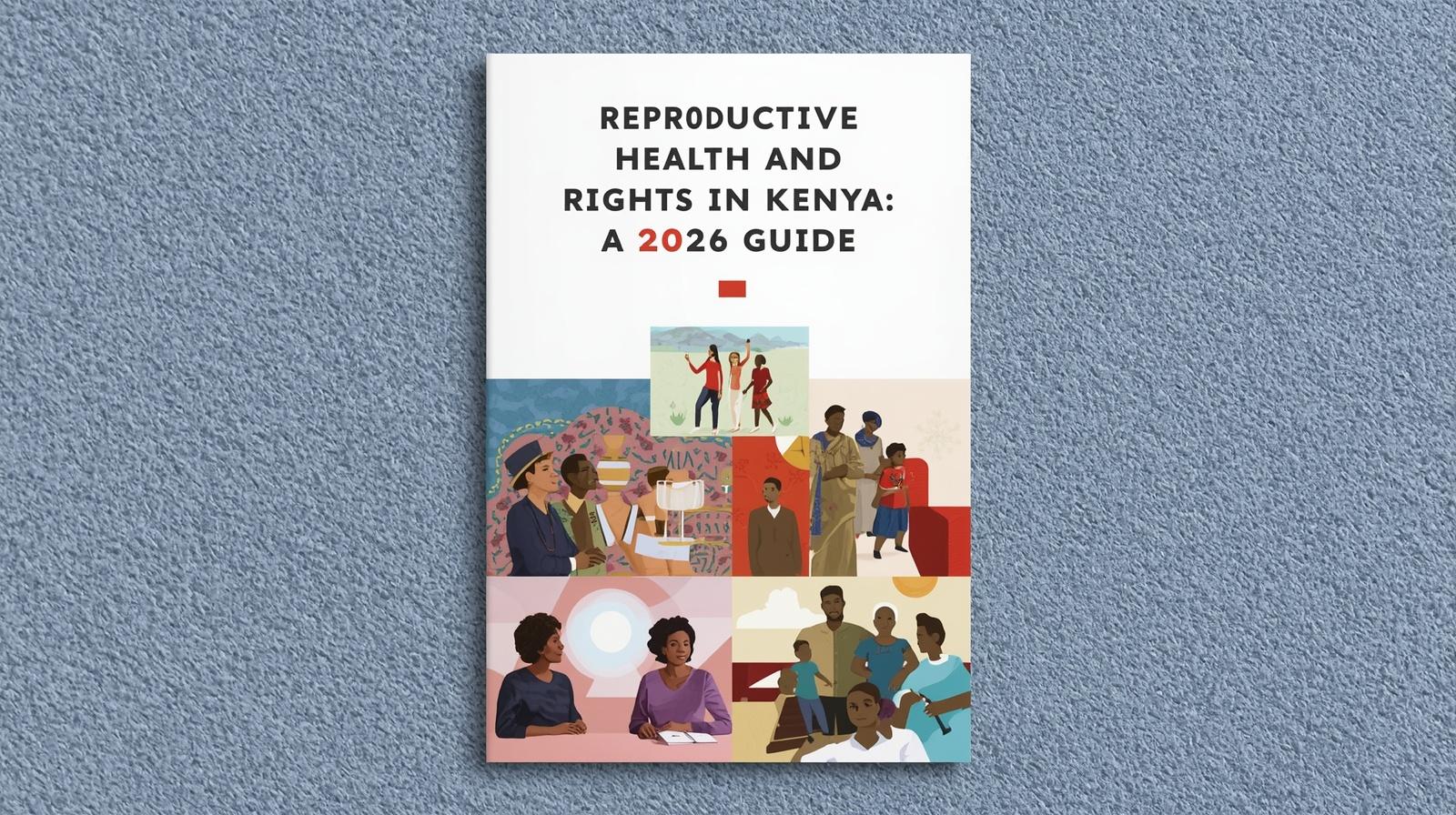
Reproductive health and rights in Kenya sit at the crossroads of remarkable progress and persistent inequality. Over the past two decades, the country has expanded access to family planning, reduced teenage pregnancy, and embedded strong health guarantees in its Constitution. Yet for millions of women, girls, and young people, the promise of sexual and reproductive health and rights (SRHR) remains uneven, shaped by where they live, how much they earn, and whether they can access accurate information when they need it most.
This article offers a clear, up-to-date look at the state of reproductive health and rights in Kenya, the legal framework behind them, the barriers that still stand, and the practical steps communities can take to protect them.
Understanding Reproductive Health and Rights in Kenya

At its core, SRHR is about the ability of every person to make free, informed decisions about their own body, relationships, and future. This includes access to contraception, safe pregnancy and childbirth, protection from sexual violence, accurate sexuality education, and care for sexually transmitted infections, all delivered without coercion, discrimination, or stigma.
In the Kenyan context, reproductive health and rights are not abstract ideals. They are constitutional entitlements. Article 43 of the Constitution guarantees every person the right to the highest attainable standard of health, including reproductive health care. This places a clear obligation on the state to provide services and remove barriers that prevent people, especially young women, from exercising these rights.
The State of SRHR: Progress and Gaps
The most reliable national picture comes from the 2022 Kenya Demographic and Health Survey (KDHS), which records meaningful gains. Teenage pregnancy fell to 15 percent in 2022, down from 18 percent in 2014. Modern contraceptive use among married women rose steadily to 57 percent, a dramatic increase from just 32 percent in 2003. Over the same period, the unmet need for family planning dropped from 27 percent to 14 percent.
These improvements reflect years of investment by the government and partners such as UNFPA Kenya in family planning, antenatal care, and skilled birth attendance. The decline in female genital mutilation and the rise in contraceptive uptake show that progress is possible when policy, funding, and community engagement align.
But the national averages conceal sharp inequalities. Access to reproductive health and rights in Kenya still depends heavily on wealth, education, and geography. Roughly four in ten girls aged 15 to 19 with no education have been pregnant, compared with just five percent of those with more than secondary education. Adolescent pregnancy is also far more common among the poorest households than the wealthiest. In short, the women and girls who need SRHR services most are often the least able to reach them.
Adolescents at the Heart of the Crisis
Young people carry a disproportionate share of Kenya’s reproductive health burden. Adolescent girls between 15 and 19 face a far higher risk of dying in pregnancy or childbirth than the national average, and they account for a significant portion of all maternal deaths in the country. Their bodies are often not ready for pregnancy, and many lack access to antenatal care, contraception, or safe delivery.
Beyond the health risks, early pregnancy reshapes a girl’s entire trajectory. It frequently means dropping out of school, narrowing her economic prospects, and exposing her to long-term physical and psychological harm. Advocates argue that protecting reproductive health and rights in Kenya is therefore inseparable from protecting girls’ education and economic future. The two cannot be separated.
The Unsafe Abortion Burden
One of the most difficult and contested aspects of SRHR in Kenya is unsafe abortion. Research by the African Population and Health Research Center (APHRC) estimates that a substantial share of pregnancies in Kenya end in unsafe procedures, contributing to thousands of preventable deaths each year and a heavy toll of injury and hospitalisation.
The drivers are well understood. High rates of unintended pregnancy, combined with stigma, restrictive interpretations of the law, and limited access to trained providers, push many women, particularly adolescents, toward dangerous alternatives. Public health experts consistently point out that improving access to contraception and accurate information would prevent the overwhelming majority of these tragedies before they begin.
The Legal and Policy Landscape
Kenya’s legal framework on reproductive health and rights is progressive on paper but contested in practice. Article 26(4) of the Constitution permits abortion when, in the opinion of a trained health professional, there is need for emergency treatment, the life or health of the mother is in danger, or it is permitted by other written law.
The courts have repeatedly reaffirmed these protections. In a significant 2025 ruling, the High Court struck down a clause in the National Reproductive Health Policy (2022–2032) that attempted to add new conditions limiting access to safe and legal abortion, finding it unconstitutional. This built on earlier landmark cases that affirmed the duty of the state not to obstruct lawful reproductive health services.
At the same time, policy and rights are sometimes in tension. The current national policy has drawn criticism from civil society for requiring parental consent for adolescents to access certain services and for emphasising abstinence, which advocates say creates barriers for the young people most at risk. The debate over comprehensive sexuality education (CSE) in schools remains especially heated, balancing the rights of children to accurate, age-appropriate information against deeply held cultural and religious values.
These are genuinely difficult questions on which Kenyans hold a wide range of sincere views. What most stakeholders agree on, however, is that young people deserve accurate information and that no woman should die from a preventable cause.
Barriers That Still Stand
Several persistent barriers continue to undermine reproductive health and rights in Kenya. Stigma discourages young people from seeking contraception or care. Geographic inequality means rural and marginalised counties have far fewer facilities and trained providers. Stockouts of contraceptives and essential supplies disrupt services. And cultural taboos around discussing sexuality leave many adolescents without the knowledge they need to protect themselves.
Funding uncertainty adds further strain. Much of Kenya’s SRHR work has historically relied on donor support, leaving services vulnerable when international funding shifts. Building sustainable, domestically financed systems is widely seen as essential to lasting progress.
Organisations and Support Working on SRHR
A vibrant network of organisations is advancing reproductive health and rights in Kenya. The Reproductive Health Network Kenya (RHNK) champions comprehensive SRHR and runs accessible information services for young people. Legal advocacy groups such as KELIN and the Kenya SRHR Alliance push for laws and policies that protect adolescents’ confidential access to care. Research bodies like APHRC generate the evidence that shapes better policy.
For individuals seeking help, several confidential services exist, including toll-free SRHR information lines and youth-friendly health centres in many counties. Knowing these resources exist, and sharing them, is itself a powerful act of advocacy.
How We Can Advance Reproductive Health and Rights in Kenya
Protecting and expanding SRHR is a shared responsibility. Communities can challenge the stigma that silences young people and instead create safe spaces for honest conversation. Parents and educators can support age-appropriate, accurate information rather than leaving children to learn from unreliable sources. Leaders can advocate for properly resourced, youth-friendly health services in every county.
At Inua NextGen Kenya, we believe that empowering young people with knowledge, dignity, and access to care is foundational to building a healthier, more equitable nation. By supporting health education, defending the rights of vulnerable girls, and advocating for stronger systems, every Kenyan can help close the gap between the rights guaranteed on paper and the services delivered in practice.
A Healthier Future Is Possible
The data tells a hopeful but unfinished story. Reproductive health and rights in Kenya have advanced significantly, yet too many women and girls are still left behind by poverty, distance, and stigma. Closing those gaps will require sustained investment, honest dialogue, and a collective commitment to dignity and equality.
If you would like to support our health and rights work or learn how to get involved, reach out to our team. Together, we can build a Kenya where every person can make informed choices about their health, their body, and their future.
This article is for general information only and is not medical or legal advice. If you need sexual or reproductive health support in Kenya, contact a qualified healthcare provider or a youth-friendly health centre near you.
Related Post
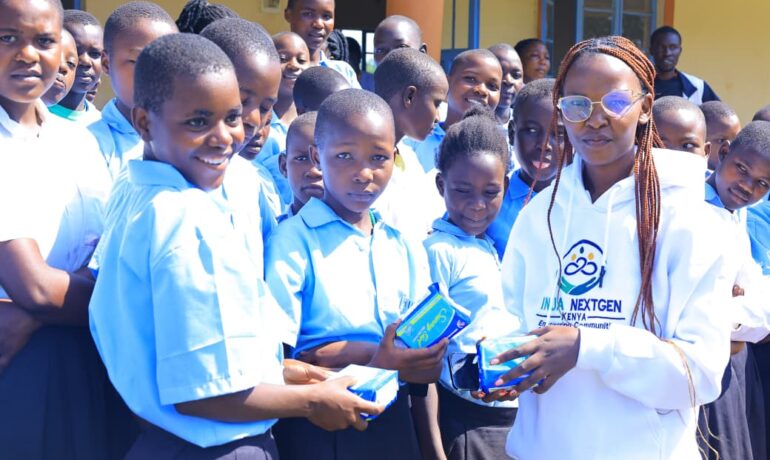
Fighting Period Poverty in Kenya: Inua NextGEN’s PAD Drive in Nyamira County
For many school-going girls in Nyamira County, period poverty
ExoWatts
July 1, 2026 at 4:54 AMGreat content! Keep up the good work!