
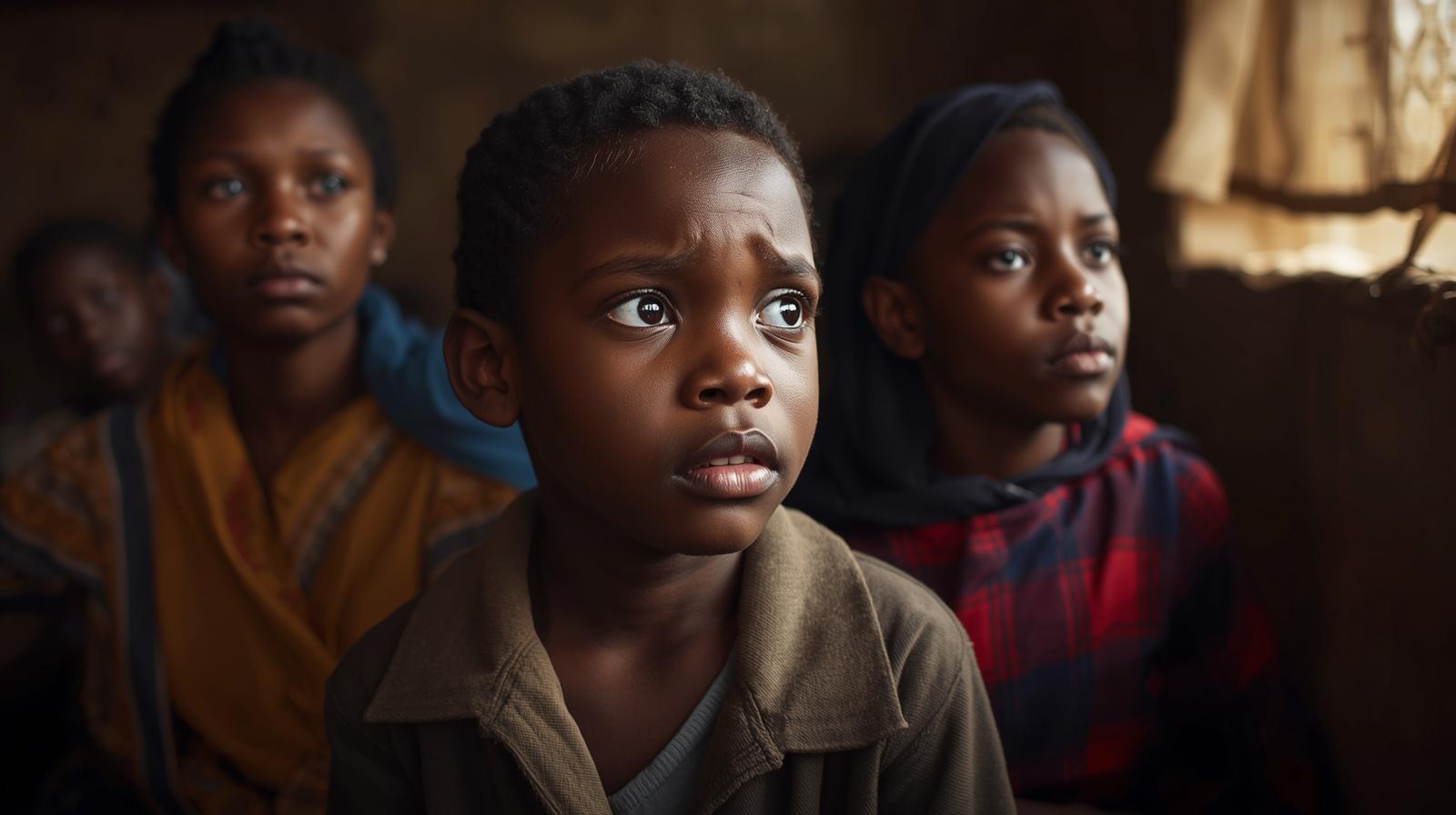
Child disappearances in Kenya have moved from the margins of public conversation to the centre of national alarm. Across the country, parents are tightening their grip on their children’s daily routines, schools are reviewing safety protocols, and child rights organisations are sounding the alarm over a problem that seems to grow more visible by the month. The fear is real, the grief is widespread, and the demand for answers has never been louder.
This article unpacks what the data actually shows about child disappearances in Kenya, what is driving the crisis, and what families and communities can do to protect the children in their care.
What the Numbers Really Say
The figures at the heart of this crisis come from the Child Protection Information Management System (CPIMS), maintained by the State Department for Children Services. Between January 2025 and March 2026, the system recorded more than 10,500 child protection cases. These broke down into roughly 6,820 cases of abandonment, 1,952 abductions, 1,636 missing children (lost and found), and 173 trafficking incidents.
Officials have noted that, on average, these numbers translate to around 23 children affected every single day, a figure that has fuelled intense public anxiety. It is important, however, to read these statistics carefully. The government has clarified that the 10,500-plus total represents a broad caseload that includes children who were later found, rescued, reunited with their families, or placed under protective care. Authorities report that roughly 78 percent of cases were resolved, while about 22 percent, more than 2,300 children, remain unaccounted for.
There is also a notable disagreement among officials over the scale of the problem. Police figures, for instance, record far smaller numbers of strictly defined missing children cases than the broader CPIMS caseload suggests, with the National Police Service reporting a few hundred such cases per year. This gap between datasets has itself become a source of controversy, with some authorities cautioning that misleading social media content has exaggerated public perception. Whatever the precise number, child protection experts agree on one thing: even a single child vanishing without a trace is a failure the country cannot accept.
Why Child Disappearances in Kenya Are Rising
The drivers behind child disappearances in Kenya are complex and overlapping. Understanding them is essential to crafting effective responses.
Poverty and abandonment. The single largest category in the data is abandonment, which points directly to economic hardship. Families under severe financial strain sometimes feel unable to care for their children, and some children run away from home in search of a better life, only to fall into greater danger.
Trafficking and exploitation. Organised trafficking networks target vulnerable children for forced labour, domestic servitude, and sexual exploitation. Investigators have rescued groups of girls in coastal counties and intercepted attempts to move children across the Kenya–Tanzania border, underscoring how organised some of this activity has become.
Online grooming. A growing share of cases now begins on the internet. Predators build trust with children through social media and messaging apps before arranging to meet and abduct them in person. The digital dimension makes this threat harder for parents to see and harder for authorities to police.
Illegal adoption and ransom. Some disappearances are linked to illegal adoption schemes, where intermediaries bypass legal processes entirely. Others are driven by ransom demands targeting families perceived to have means.
Ritual crimes and organ harvesting. Among the most disturbing cases are those connected to ritual killings and organ harvesting. High-profile incidents have shocked the nation and intensified public fear, reminding communities that the stakes could not be higher.
Nairobi and its surrounding counties have been identified as among the most affected areas, though no region is immune.
The Human Cost Behind the Statistics
It is easy to lose sight of the people behind the numbers. For the families involved, a child’s disappearance triggers a relentless cycle of fear, hope, and exhaustion. Mothers describe sleepless nights, frantic searches, and the agony of every news report about a missing child found dead. Some parents have spoken of waiting days simply to obtain an Occurrence Book (OB) number from police, a delay that can prove critical in the earliest, most important hours of a search.
These stories reveal a painful truth about child disappearances in Kenya: the suffering does not end when a case is closed on paper. Families carry the trauma for years, and communities are left with a lingering sense of insecurity that reshapes how children are raised and how freely they are allowed to move.
What to Do If a Child Goes Missing
Knowing how to respond quickly can make a decisive difference. Child protection guidelines in Kenya recommend the following steps if a child goes missing:
- Do not wait 24 hours. The myth that you must wait a full day before reporting is dangerous. Report immediately, because the first hours are the most critical.
- Report to the nearest police station and insist on an OB number. This creates an official record and triggers the investigation process.
- Contact Child Helpline 116. This free national line connects families to children’s officers and follow-up support.
- Reach out to the Missing Child Kenya Foundation. This not-for-profit operates the only dedicated toll-free line for missing children in Kenya, 0800 22 33 44, and uses technology and crowd-sourcing to circulate alerts and posters quickly.
- Mobilise the community. Inform neighbours, teachers, security guards, chiefs, and Nyumba Kumi officials. Search nearby homes, schools, and markets without delay.
- Provide accurate details. Give the child’s name, age, last known location, clothing, and a recent photo to assist identification.
Acting fast and following the correct channels dramatically improves the chances of a safe reunion.
How Communities Can Help Prevent Child Disappearances in Kenya
Prevention is always better than recovery. Communities can play a powerful role in reducing child disappearances in Kenya by staying alert and proactive. Parents and guardians can supervise children closely, especially in crowded public spaces and during the school commute. Schools can strengthen pickup and drop-off procedures and teach children about personal safety.
Because so many cases now begin online, digital literacy matters more than ever. Teaching children never to share personal information or arrange to meet strangers from the internet is a frontline defence against grooming. Equally, communities can revive the spirit of collective responsibility, where neighbours look out for one another’s children and report anything suspicious.
Civil society has a vital part to play too. At Inua NextGen Kenya, we are committed to protecting vulnerable children and supporting families affected by these crises. Through awareness campaigns, community engagement, and advocacy for stronger child protection systems, we work toward a Kenya where every child grows up safe, seen, and accounted for.
A Shared Responsibility
Child disappearances in Kenya are a national wound that demands a national response. Government agencies must close the gaps in their data, speed up reporting and investigation, and resource child protection systems adequately. Families must know their rights and act fast. Communities must stay vigilant. And all of us must refuse to treat any missing child as an acceptable loss.
If you would like to support our child protection work or learn how to get involved, get in touch with our team. Protecting children is a responsibility we all share, and together we can build a safer future for the next generation.
If a child is missing in Kenya, call Child Helpline 116 or the Missing Child Kenya toll-free line on 0800 22 33 44 immediately, and report to your nearest police station without delay.