
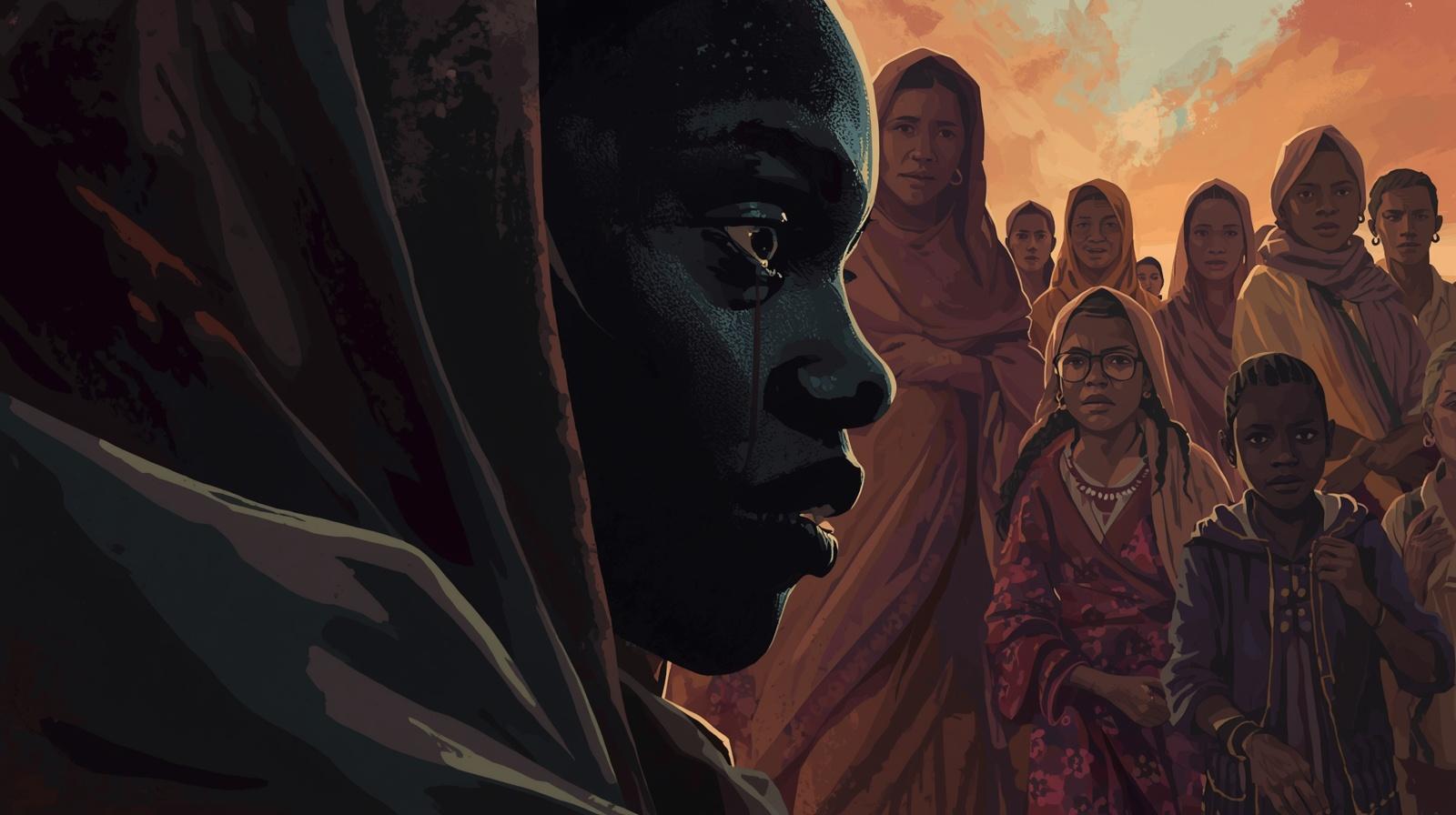
Femicide in Kenya is no longer a series of isolated tragedies reported in passing. It has grown into one of the country’s most urgent human rights emergencies, claiming the lives of women and girls at a pace that has shocked families, activists, and policymakers alike. Behind every statistic is a name, a household, and a community left to grieve a death that, in most cases, was preventable. Understanding the scale of this crisis is the first step toward confronting it.
This article examines what femicide in Kenya really looks like today, why it keeps happening, and what ordinary citizens, communities, and institutions can do to help bring it to an end.
Understanding Femicide in Kenya
Femicide refers to the intentional killing of women and girls because of their gender. Unlike random violence, it is usually rooted in power, control, and deeply held social attitudes about the value of women’s lives. In Kenya, the overwhelming majority of these killings are committed by people the victims knew and trusted, most often intimate partners or close family members.
What makes femicide in Kenya especially heartbreaking is how often it follows a visible pattern. Many victims experienced emotional abuse, physical violence, stalking, threats, or economic control long before they were killed. In numerous cases, women had already sought help from relatives, community elders, or the police, only to be turned away, ignored, or sent back to their abusers. The killing, in other words, was rarely the first sign of danger. It was the final one.
The Numbers Behind the Crisis
The data on femicide in Kenya is both alarming and incomplete. A decade-long investigation by the research firm Odipo Dev, working with Africa Data Hub and Africa Uncensored, documented more than 1,000 women killed between 2016 and 2025, with roughly four out of five of those deaths classified as femicide. The same body of research shows that the violence has not eased over time. Instead, it has remained stubbornly consistent year after year.
The years 2024 and 2025 were particularly devastating. Figures cited by national agencies indicate that hundreds of women were killed in 2024 alone, while at least 129 women lost their lives in just the first three months of 2025, an average of nearly one woman killed every single day. Amnesty International Kenya has reported that femicide cases were being recorded at a rate of around eight per week.
There is, however, a troubling complication. After March 2025, the government stopped publicly releasing consolidated femicide data, creating a serious transparency gap. As a result, every number now available is best understood as a minimum baseline. Widespread underreporting means the true scale of femicide in Kenya is almost certainly worse than the official record suggests.
Two further patterns emerge clearly from the available research. First, the youngest women are the most at risk: women aged 18 to 35 account for roughly six in ten victims, with university and college students disproportionately represented. Second, the home remains the most dangerous place. More than seventy percent of femicides with known locations occurred in domestic settings, even as killings in public spaces have steadily risen.
Why Femicide in Kenya Keeps Happening
If the warning signs are so visible, why does the killing continue? The answer lies in a combination of cultural, institutional, and economic failures that reinforce one another.
At the cultural level, harmful norms continue to excuse or minimise violence against women. The 2022 Kenya Demographic and Health Survey found that roughly 41 percent of women aged 15 to 49 had experienced physical violence, and that a significant share of both women and men still believe a husband is sometimes justified in beating his wife. These attitudes create an environment in which abuse is normalised and victims are blamed or silenced rather than protected.
At the institutional level, survivors routinely encounter systems that fail them. Police sometimes dismiss reports of abuse as private family matters. Protection orders go unenforced. Cases drag on for years; research suggests that only a small fraction of femicide cases ever reach judgment, and those that do take an average of four years to conclude. When justice is this slow and this rare, perpetrators face little deterrence.
Economic dependence compounds the danger. Many women remain trapped in abusive relationships because leaving would mean losing financial security, housing, or access to their children. Without safe shelters, legal aid, and emergency support, the choice between staying and leaving can become a choice between two kinds of risk.
The Cost of Institutional Silence
The consequences of inaction extend far beyond the individual victims. Every unaddressed case of femicide in Kenya sends a message: that women’s safety is negotiable, that warning signs can be ignored, and that perpetrators can act with relative impunity. This erodes public trust in the very institutions meant to protect citizens.
The ripple effects are generational. Children who witness domestic violence or lose a mother to femicide carry deep trauma into adulthood. Communities lose mothers, breadwinners, teachers, and leaders. The economic and social costs, though harder to measure than a body count, are immense and lasting.
What Is Being Done to End Femicide in Kenya
The response to this crisis has been driven largely by citizens rather than the state. In early 2024, thousands of women marched through Nairobi under banners such as #TotalShutDownKE, demanding government action. Those protests have continued and grown. In 2026, demonstrators carried an empty coffin through the capital in a powerful symbol of mourning and anger, as the End Femicide movement and allied organisations demanded that femicide and child disappearances be declared a national crisis.
Civil society groups have also issued formal ultimatums to the government, pressing for concrete reforms. A national task force has proposed tougher measures, including criminalising out-of-court settlements in gender-based violence cases, a practice that too often allows perpetrators to escape accountability. Advocates are also calling for a properly financed national GBV fund to support safe shelters, psychosocial care, legal aid, emergency healthcare, and community-based prevention.
International partners, including UN Women and UNESCO, have backed research and awareness efforts. Yet activists are clear that funding, political will, and consistent data collection remain the missing ingredients. Awareness alone, they argue, cannot stop the killing.
How Communities Can Help End Femicide in Kenya
Ending femicide in Kenya requires action at every level of society, and ordinary people have a meaningful role to play. Communities can refuse to treat domestic abuse as a private matter and instead support survivors who speak up. Neighbours, teachers, and local leaders can take warning signs seriously rather than dismissing them. Men and boys, in particular, can be engaged as allies through education on gender equality, healthy relationships, and conflict resolution.
Supporting organisations that protect women and vulnerable groups is another practical step. At Inua NextGen Kenya, we believe that protecting the dignity and safety of women and children is foundational to building a healthier society. By raising awareness, supporting survivors, and advocating for stronger protection systems, every Kenyan can contribute to a future in which no woman is killed simply for being a woman.
A Call to Action
Femicide in Kenya is preventable. The warning signs are visible, the patterns are documented, and the solutions are known. What has been missing is sustained, coordinated action that puts the safety of women and girls first. Naming the crisis, tracking it honestly, and responding decisively are not optional. They are the bare minimum a just society owes its people.
If you want to learn more about our work or get involved in protecting vulnerable women and children, reach out to our team. Change begins when communities decide that even one preventable death is one too many.
If you or someone you know is experiencing gender-based violence in Kenya, help is available. You can contact the national GBV helpline on 1195 or reach out to local child and gender protection services for support.